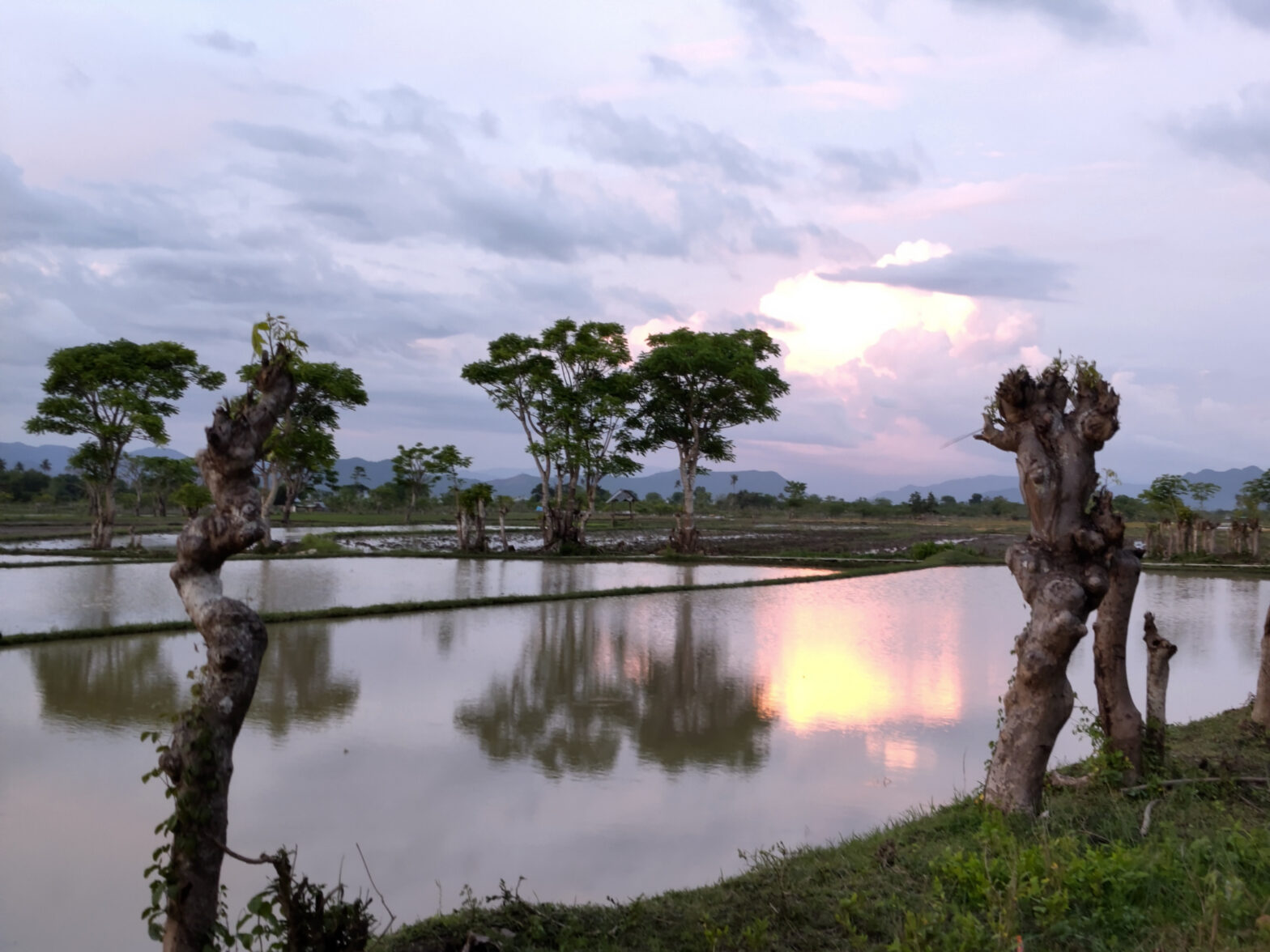
After my Singapore stopover, I headed straight to the Indonesian island of Sumbawa. Sumbawa lies between Lombok in the west and Flores in the east. Its location can be classified in many different ways. Amongst others, Sumbawa is part of the Pacific Ring of Fire, the Lesser Sunda Islands, the province of Nusa Tenggara Barat (NTB), and Wallacea.
As a biology nerd, I find this latter classification the most interesting one. Wallecea (which I had visited before) is separated from Asia by the Wallace Line and from Sahul by the Lydekker Line. This means that the flora and fauna of Sumbawa is distinct from both the Asian and the Australian/Papuan flora and fauna. Instead, it’s something in-between.
I’m certainly not skilled to confirm this distinction by my own observations. But when it comes to climate, Sumbawa seemed just a little dryer than Bali. I heard that Sumbawa hosts fewer rain forests, but more Savannah, which makes it popular for horse husbandry.
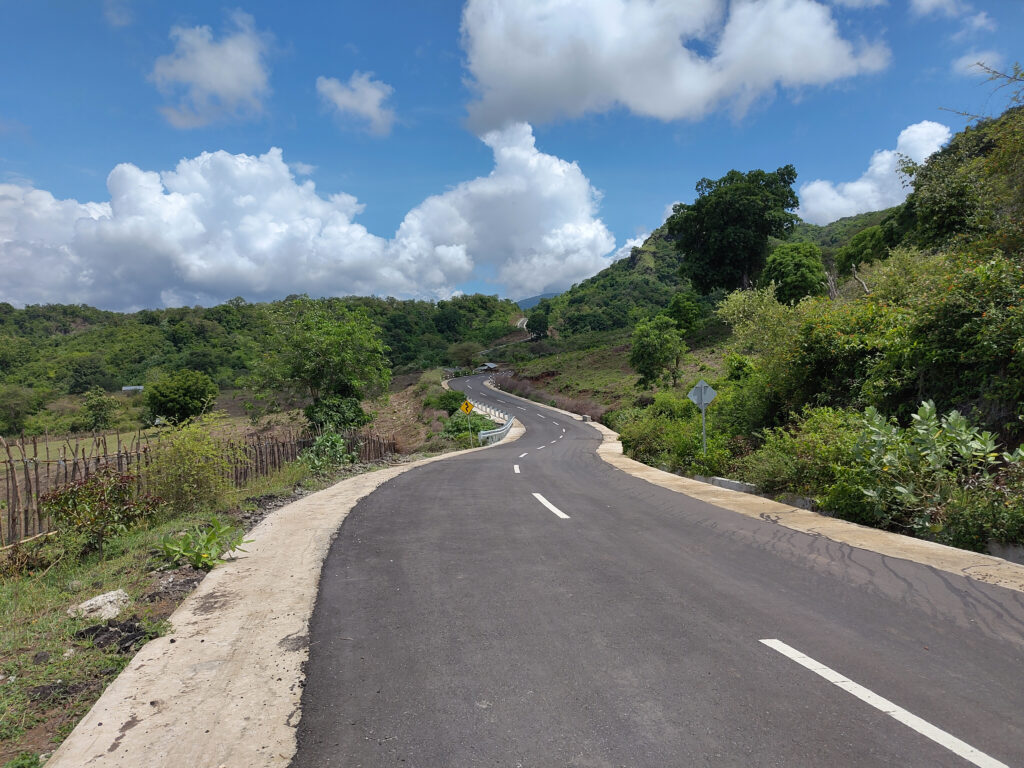
Sumbawa is also way more mountainous than I had expected. And it is populated very sparsely. Therefore, there are very few roads that cut through the mountains and these roads tend to be narrow and winding.
Sumbawa vs. Bima
Sumbawa is split in half ethnically and linguistically. The west is populated by the Sumbawa people, their biggest city being Sumbawa Besar (SWQ). The east is populated by the Bimanese people, whose biggest city is Bima (BMU).
To make matters more complicated, there are also many Sasak people living on Sumbawa. I’ve heard that whole coastal villages in West Sumbawa have been populated by people from Lombok (which is the Sasak homeland). Allegedly this migration may have taken place as late as the 1980’s.
The Surf
Sumbawa’s surf spots follow a similar east/west split. Some are located on Sumbawa’s west coast, mostly near Sasak villages. Others are located in Bimanese sourth-central Sumbawa, around Lakey. The rest of the island seems to be uncharted when it comes to surfing. The northern coast just doesn’t receive any Indian Ocean swells and many parts of the southern coast may be too inaccessible.
West Sumbawa
I first headed to West Sumbawa and picked Scar Reef Homestay in Jelenga as my base. Unsurprisingly, Scar Reef is the most prominent surf spot at Pantai Jelenga. Less known spots include Little Bingin (named after Bali’s Bingin) and Phantoms (at the very north of the long beach).
All these spots are best reached by boat, though one can paddle out to Little Bingin in reasonable time. That’s why I mostly surfed there, visiting Phantoms only once and skipping Scar Reef altogether. Maybe I was deterred by its name, maybe the swell was too small during most of my stay.
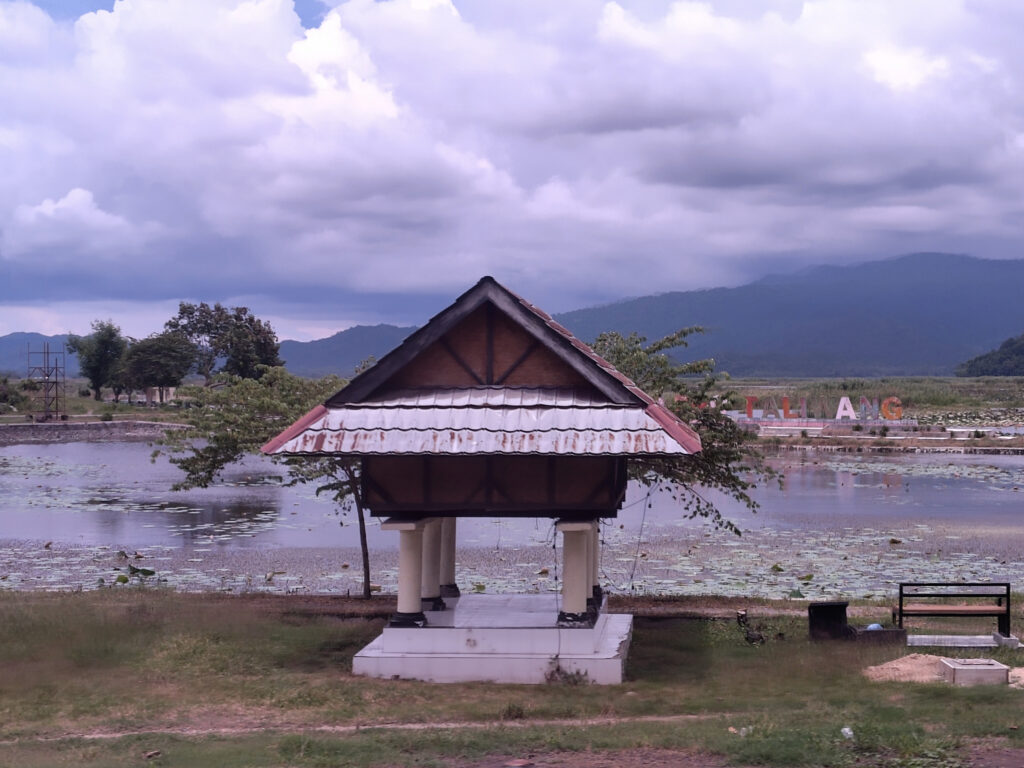
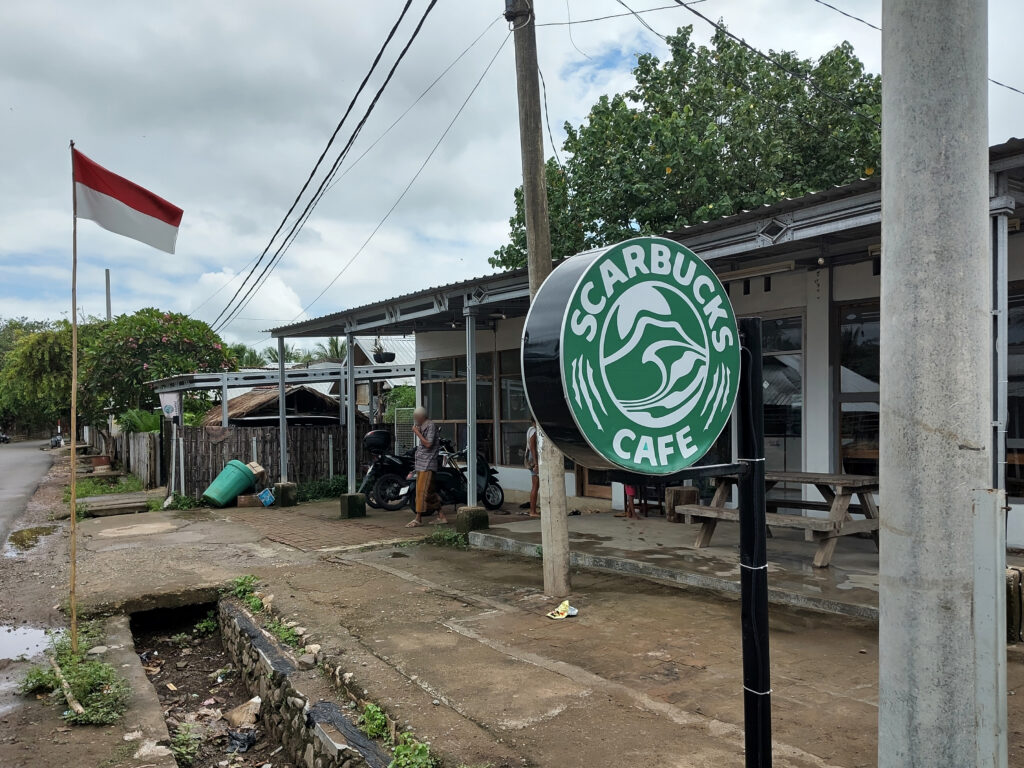
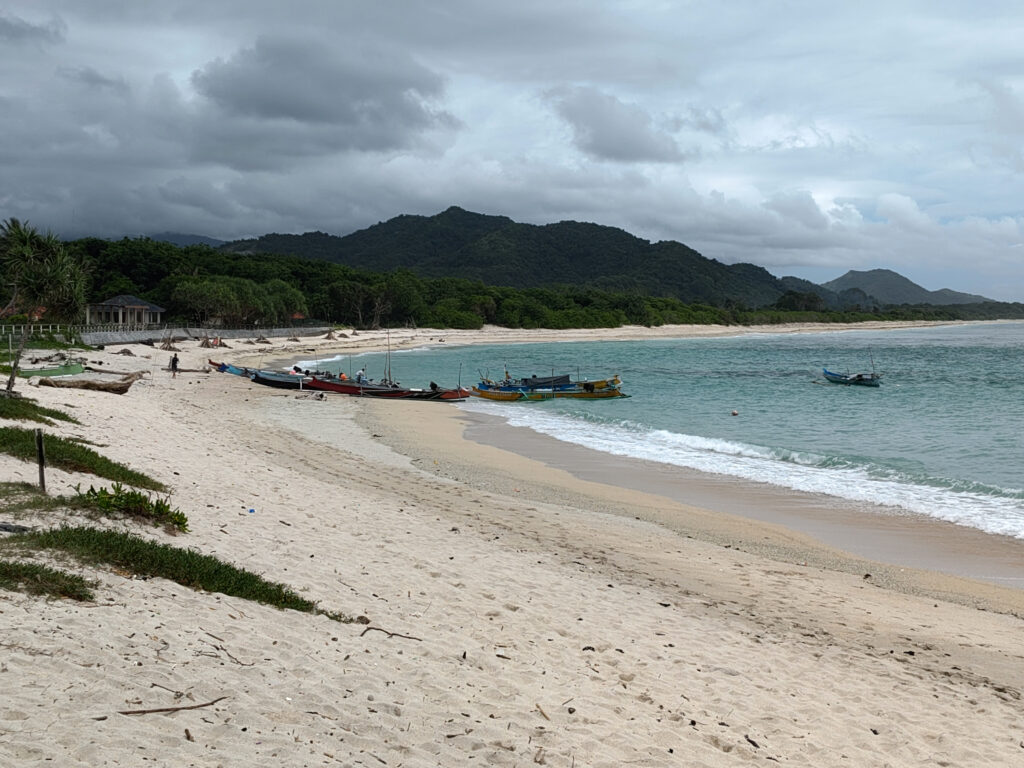
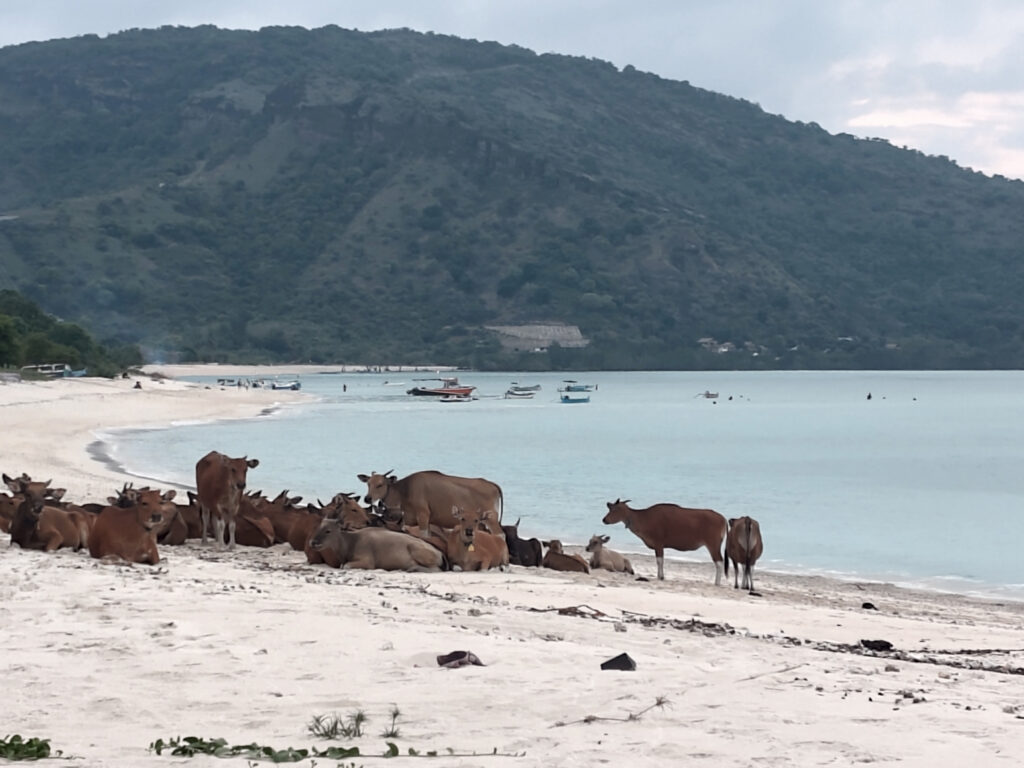
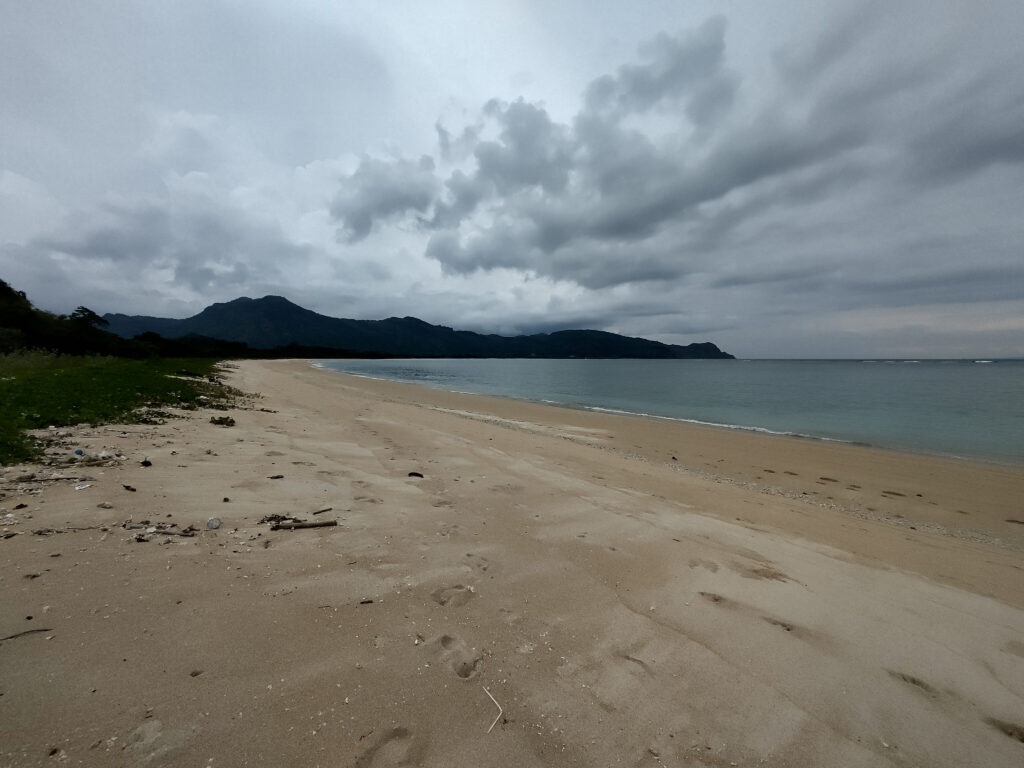
Some of the spots further south are more exposed to the swell, in particular Yo-Yos and Tropical. Both are about an hour from Jelenga by scooter.
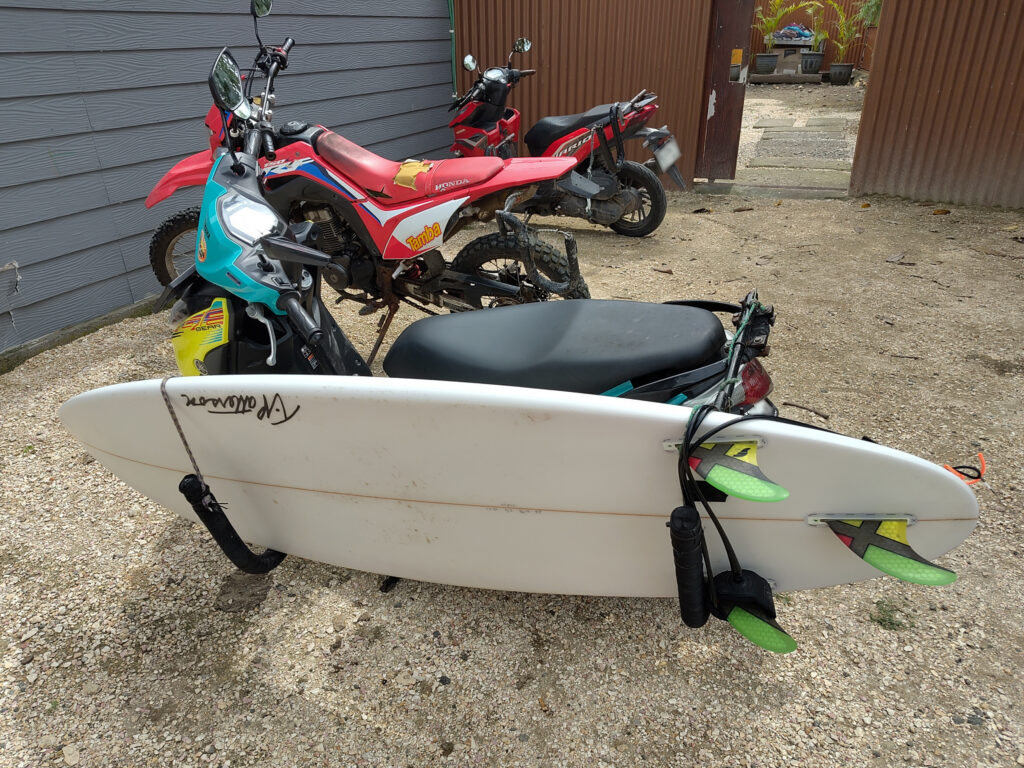
My first day-trip was to the Yo-Yos, located near Pantai Gili Dua. However, I had difficulties renting a suitable board there for a reasonable price. In the end, I picked a 6’8″ with 42.4 liters and 4 fins. This is way smaller than any board that I had used before – used successfully, that is. I didn’t expect to catch any waves, but I didn’t want the long journey to go to waste either.
I did catch a couple of waves after all. It was tough to paddle to the shifty peaks and build up enough speed. But then the popup worked just fine. Only a couple short rides that day, but those felt really great. Plus I could duck-dive this board. It also helped that there were no crowds that day – at one point I was alone in the line-up, otherwise maybe 2 to 5 other surfers.
Two days later I made my way to Tropical, which is named after the small beach resort nearby (not to be confused with Hazel Brugger’s Tropical). There’s a left and a right, separated by a strong channel. The beach-side Rock’n’Roll Cafe (I think this was the name, cannot find them online) is a good starting point for either of these waves.
I felt emboldened by recent experiences and picked a 6’6″ board with 44.6 liters. I was struggling with the current though, either getting sucked back into the channel or caught in the soup. The slightly bigger volume made it more challenging to duck-dive. In the end, I got only a couple of waves on the right-hander. Did not try the left-hander, because locals said the currents there are even stronger.

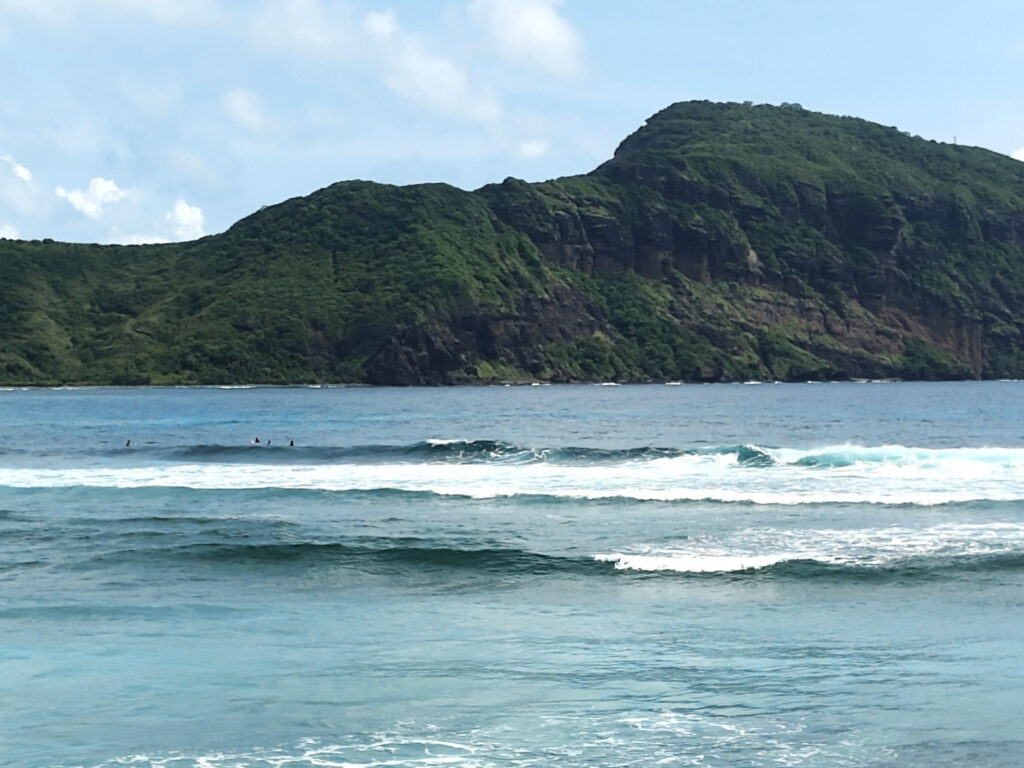
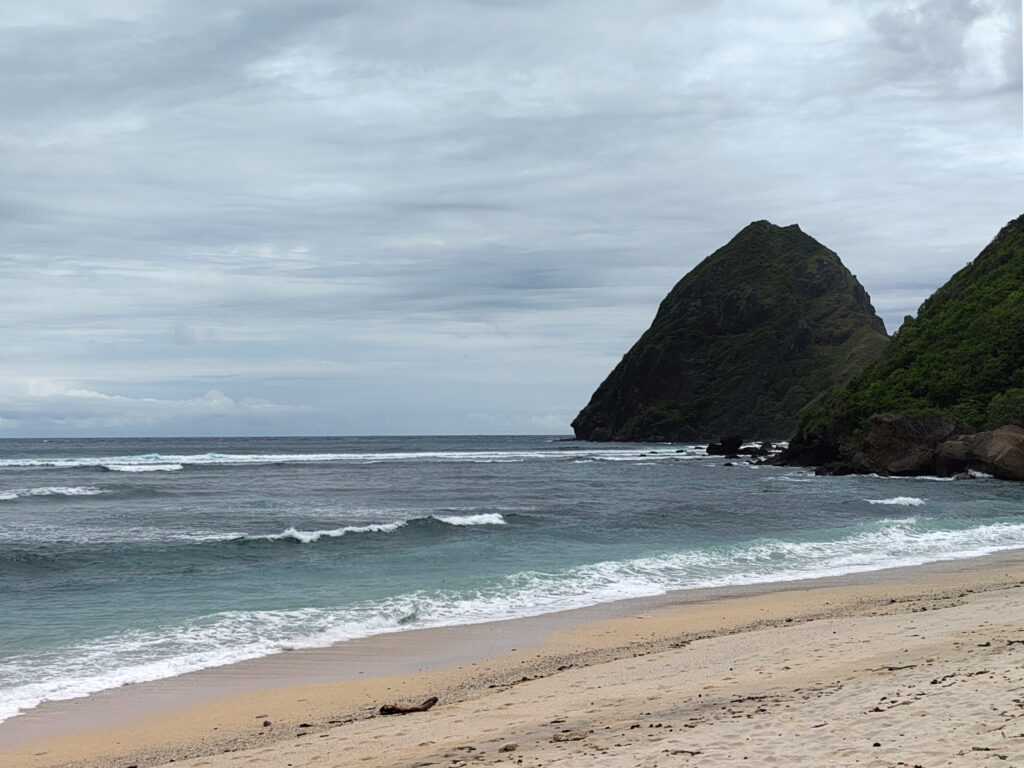
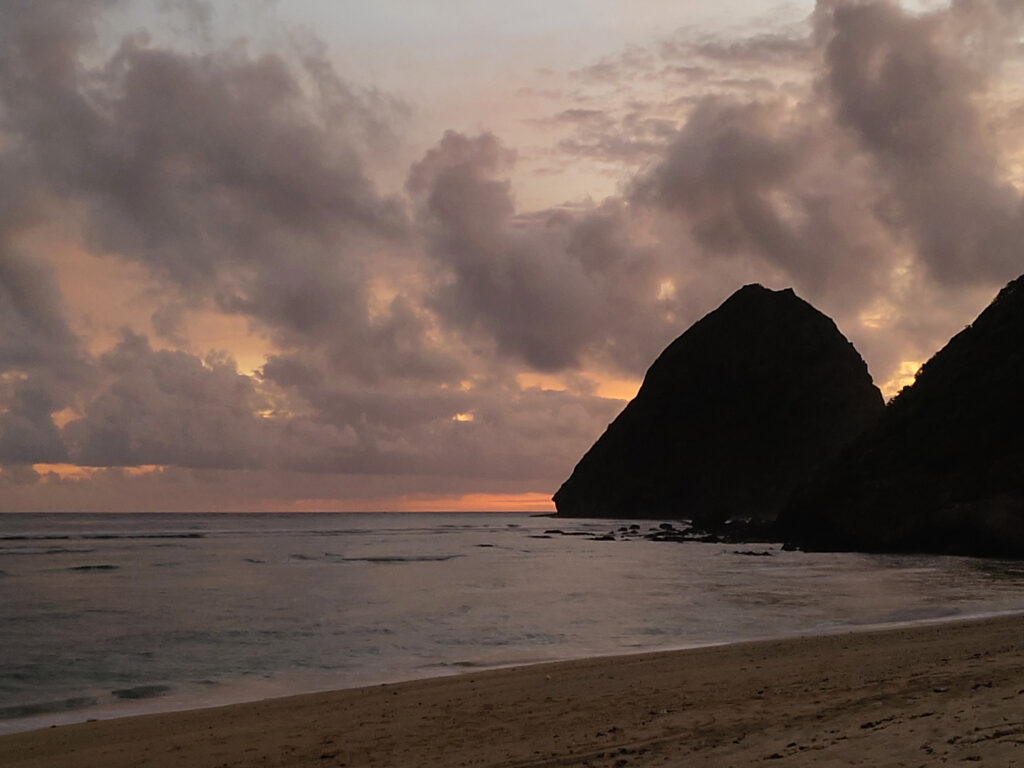
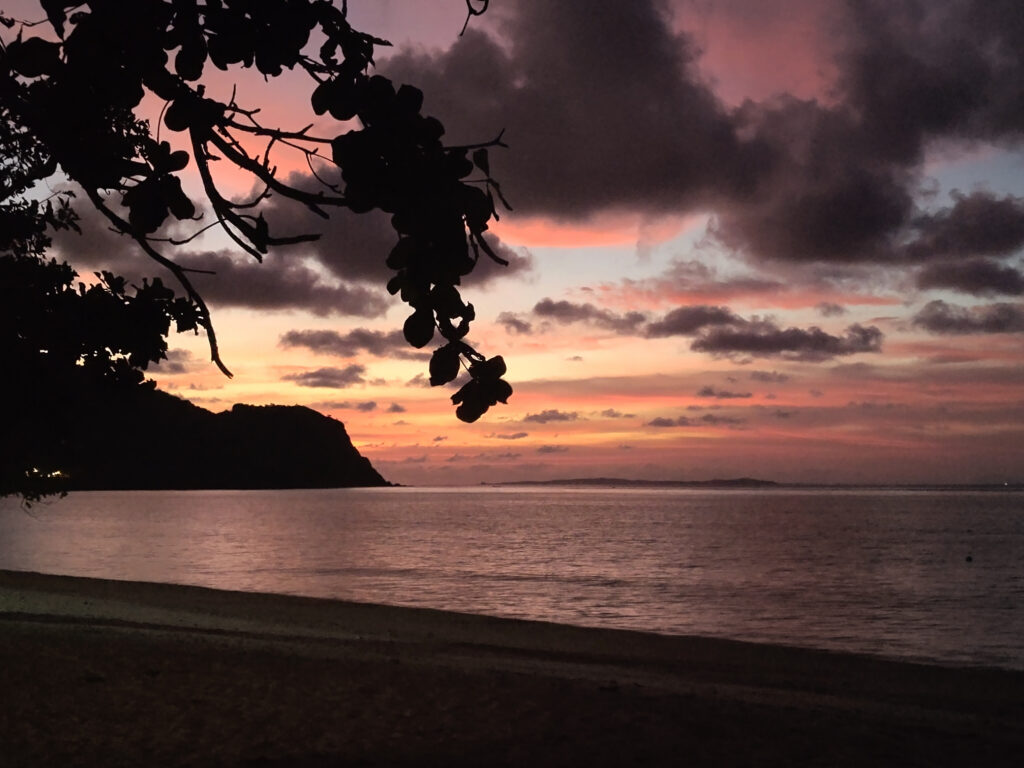
I left Jelenga with mixed feelings. The beach and the village are really nice. There’s no over-tourism yet, but there’s sufficient infrastructure, in particular for surfers. Overall the vibe reminded me of southern Lombok twenty years earlier. But the local surf spots do not seem very consistent, at least not during wet season. And all the other west coast spots are stretched out way too far.
Lakey
After ten days on the west coast, I made my way to Lakey, mostly by bus. It’s a long trip, since you have to go back north all the way to Sumbawa Besar first. There are no suitable roads along the south coast or through the inland mountains.
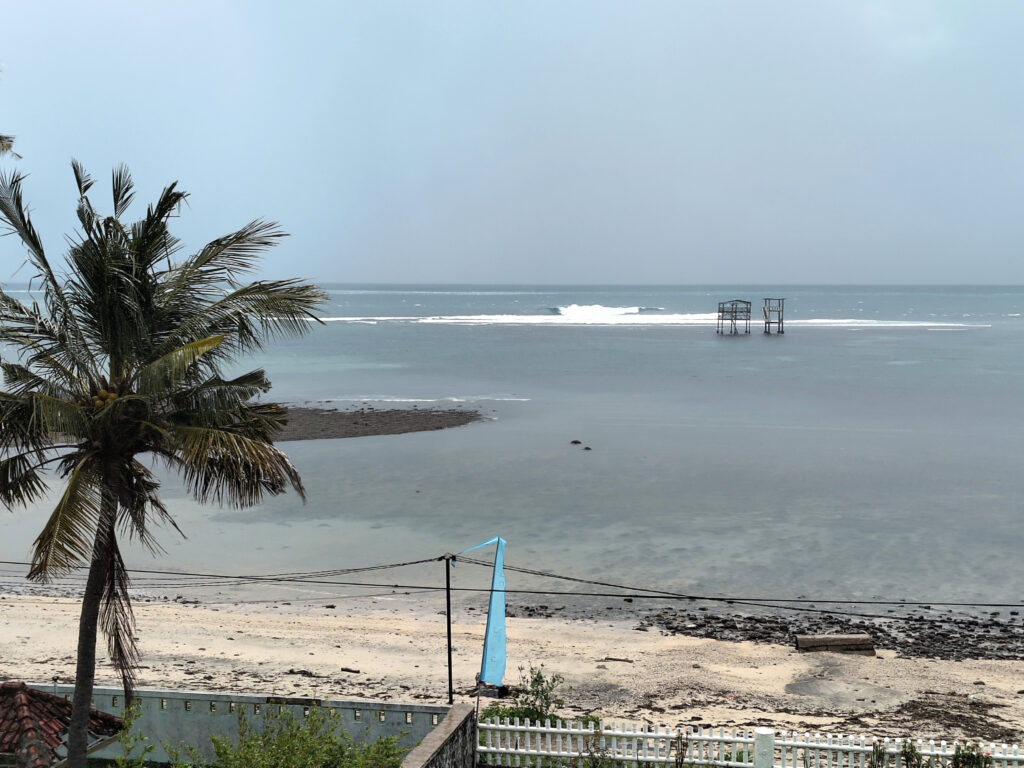
I booked a room at Lucky Laykey Surf House, right in front of Lakey Peak. Slightly more pricey than my accommodation in Jelenga, but the beachfront location is worth it. Most rooms have ocean view, and the terrace on the 2nd floor is great for checking wave conditions.
The name of the local village is actually Hu’u, though that’s a couple of kilometers away from Pantai Lakey. Seems like the name Lakey emerged from a misunderstanding, when surfers told the locals about this “lucky” peak.
Lakey Peak is a very consistent a-frame reef break. You can recognize it on photos by the two watchtowers out on the reef. Apparently those have been build ages ago for some sort of surfing competitions. There are many other surf-spots nearby, e.g. Lakey Pipe, Nungas, or Periscopes. These and others can be reached on scooter in a couple of minutes. Boat rides are not necessary to reach any of them, but there is some paddling involved.
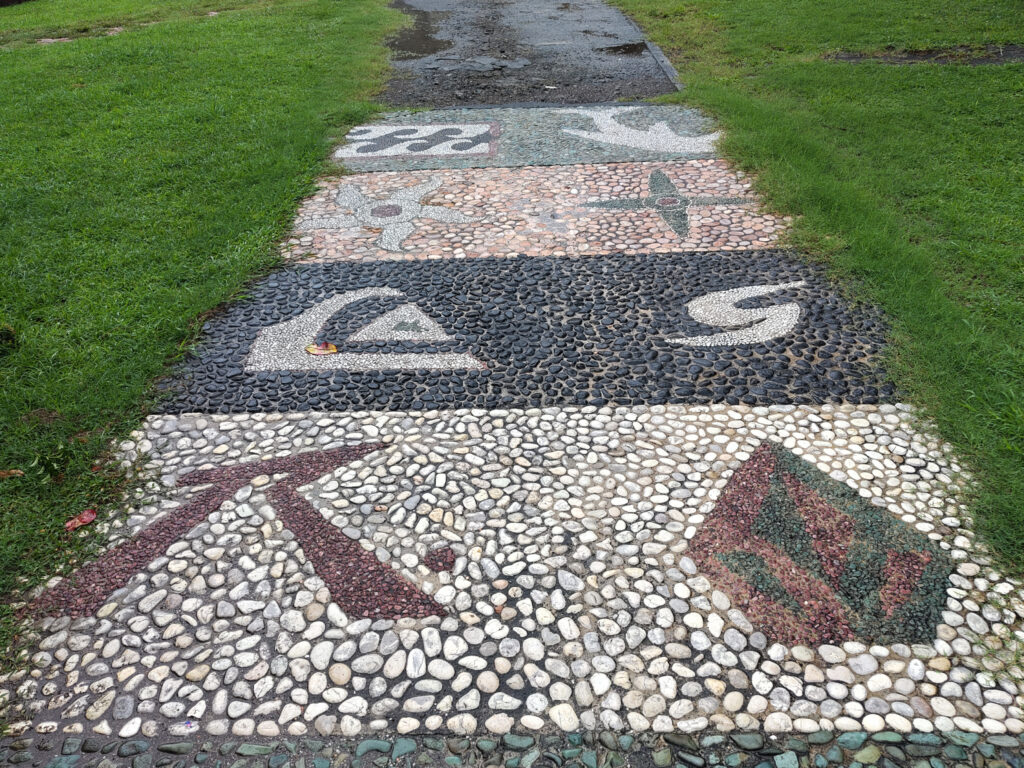
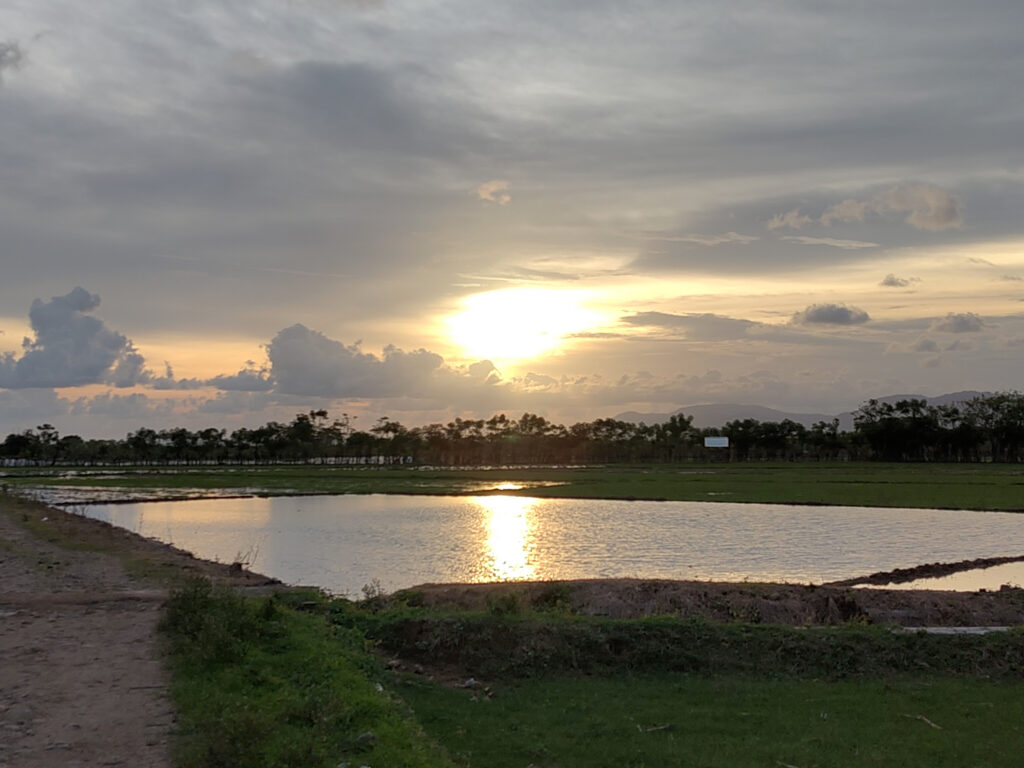

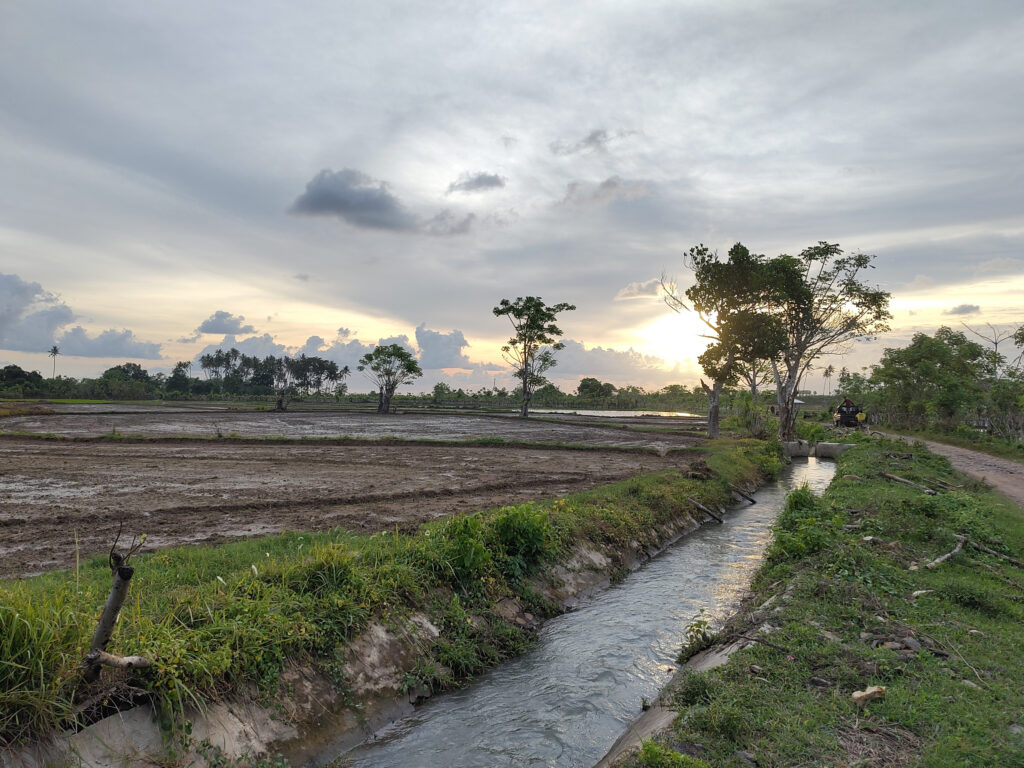
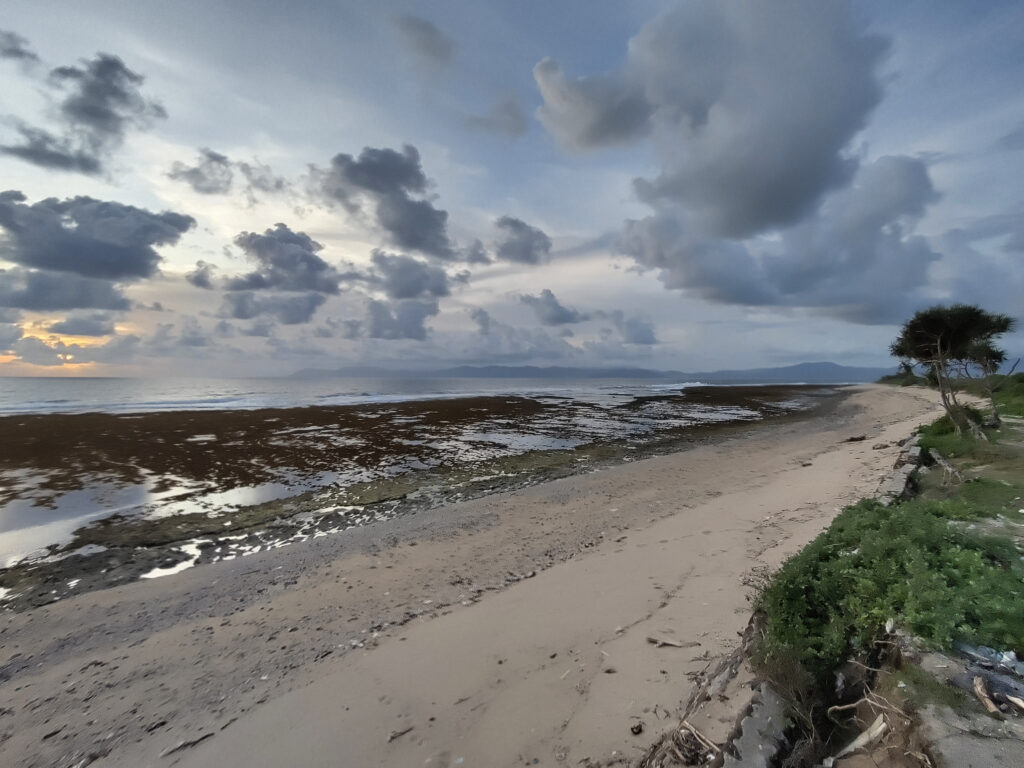

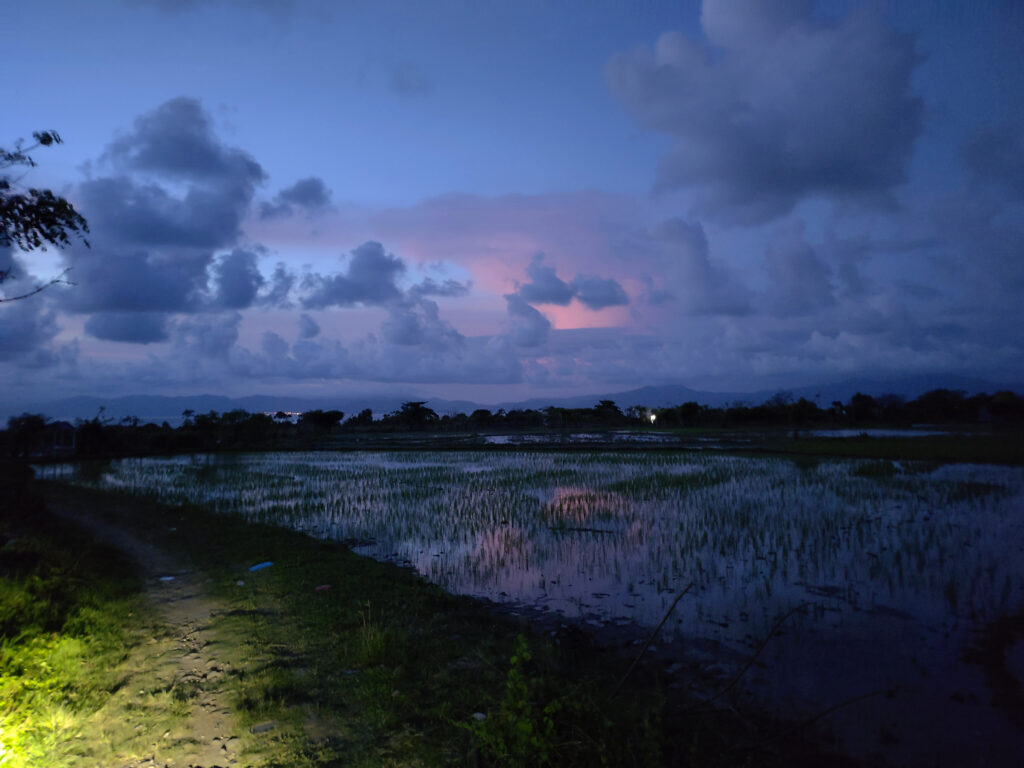
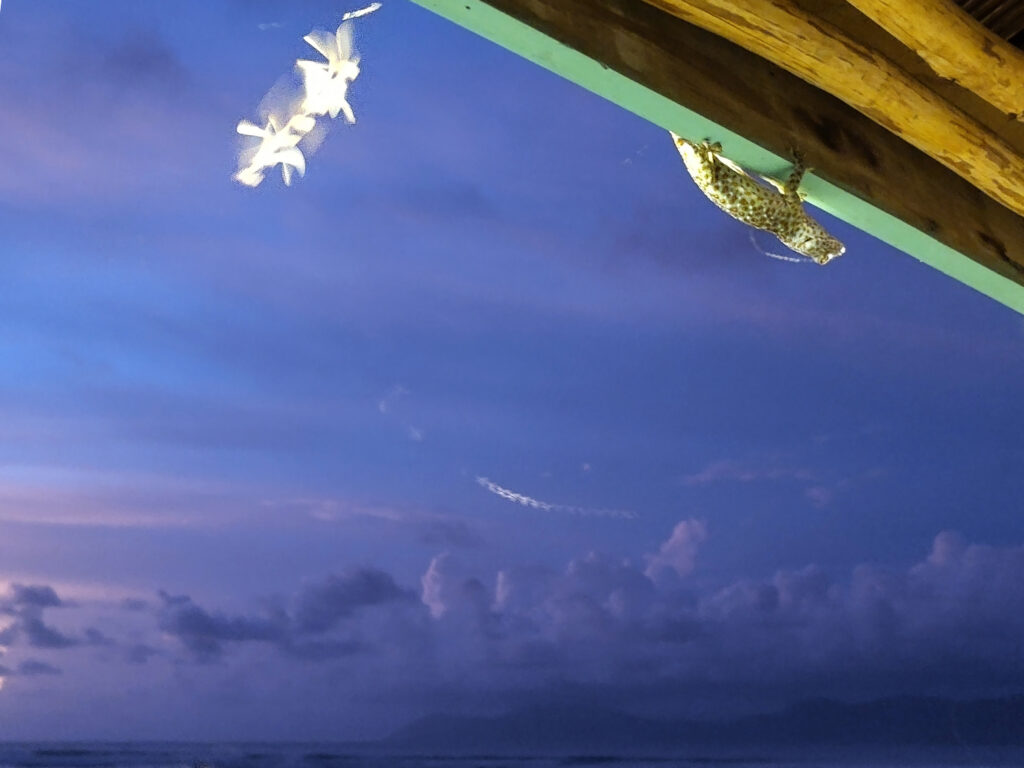
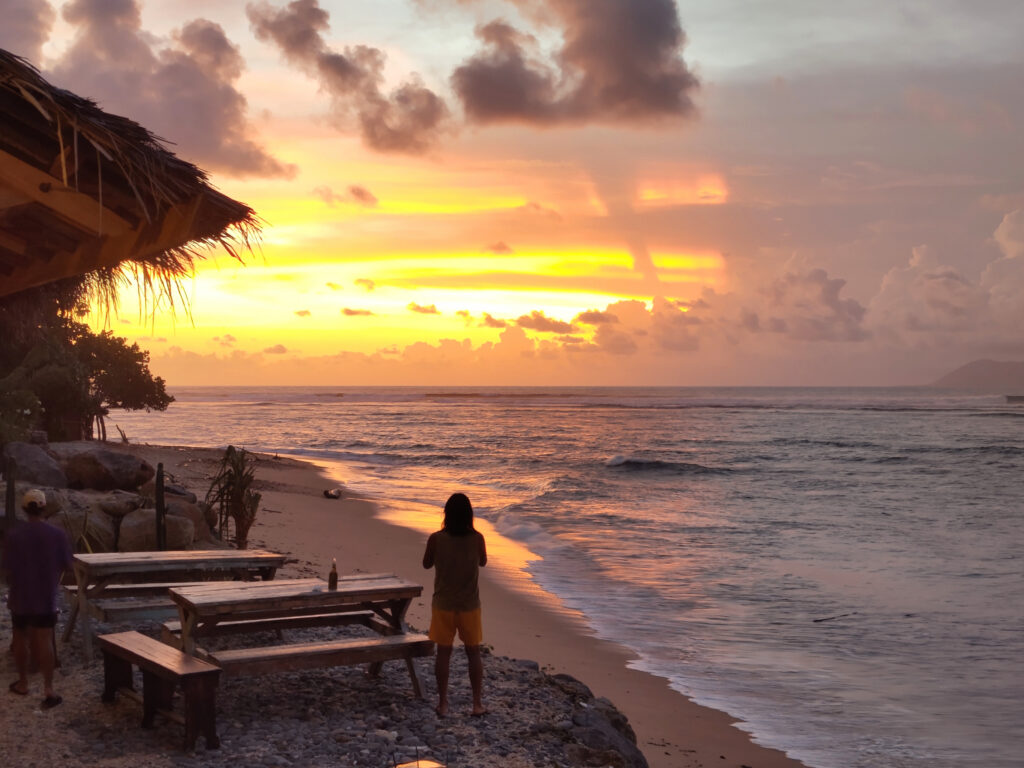
Overall, Lakey seems slightly more convenient for surfers as compared to West Sumbawa. However, convenience comes at the cost of bigger crowds and more tourism in general. Then again, the sunsets at local beaches are amazing – and so are the sunsets at nearby rice paddies.
What else?
There is certainly more to Sumbawa than just surfing. But that’s what I focused on this time. And it’s what most of the local tourism industry caters to.
When going off the beaten track, Sumbawa is more challenging than say Bali. English is well understood in tourist hot-spots, less so anywhere else. It’s hard to find reliable information on stuff like bus or ferry schedules. The usual ride-hailing services (such as Grab) do not work here (except maybe for airport transfer). On the other hand, living costs are still comparatively low here. Some money and some patience can get you a long way.
I think I might come back to Sumbawa eventually. There’s lots of stuff left to do:
- Climbing Gunung Tambora
- Watching a water buffalo race (pic search)
- Visiting Moyo Island
- Swimming with whale sharks (offered by several tour operators near Sumbawa Besar, not sure if this is sustainable)
Comments are closed.